Kilimanjaro 2026 – Climb Africa's Highest Peak
Price
€ 3180Departing
17.07.2026.Duration
12 daysDescription
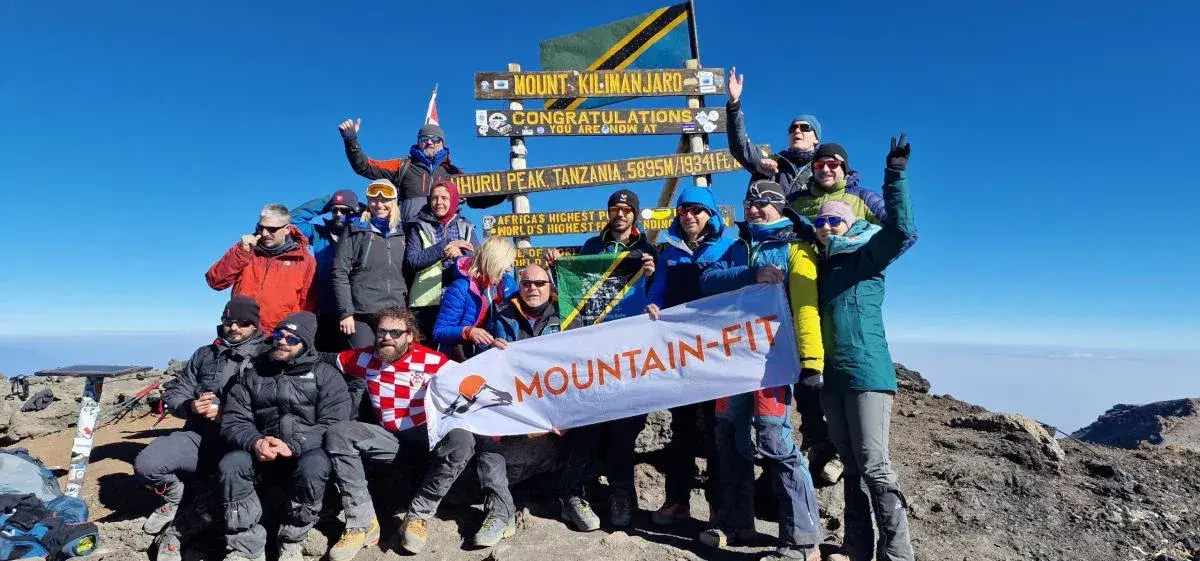
So far, we have climbed Kilimanjaro eight times — and we’re going again!
Take on the challenge and summit Africa’s highest peak, Mount Kilimanjaro. Experience a safari, discover Tanzania, conquer Kilimanjaro, and stand on the roof of Africa.
New 2026 tour – Marangu Route.
Kilimanjaro Climb – Marangu Route + Flight Included
17 July – 28 July 2026
Take advantage of early booking and climb Kilimanjaro. Experience a safari, discover Tanzania, embark on an unforgettable journey to Kilimanjaro, and conquer the highest peak in Africa. Your Kilimanjaro trekking adventure awaits.
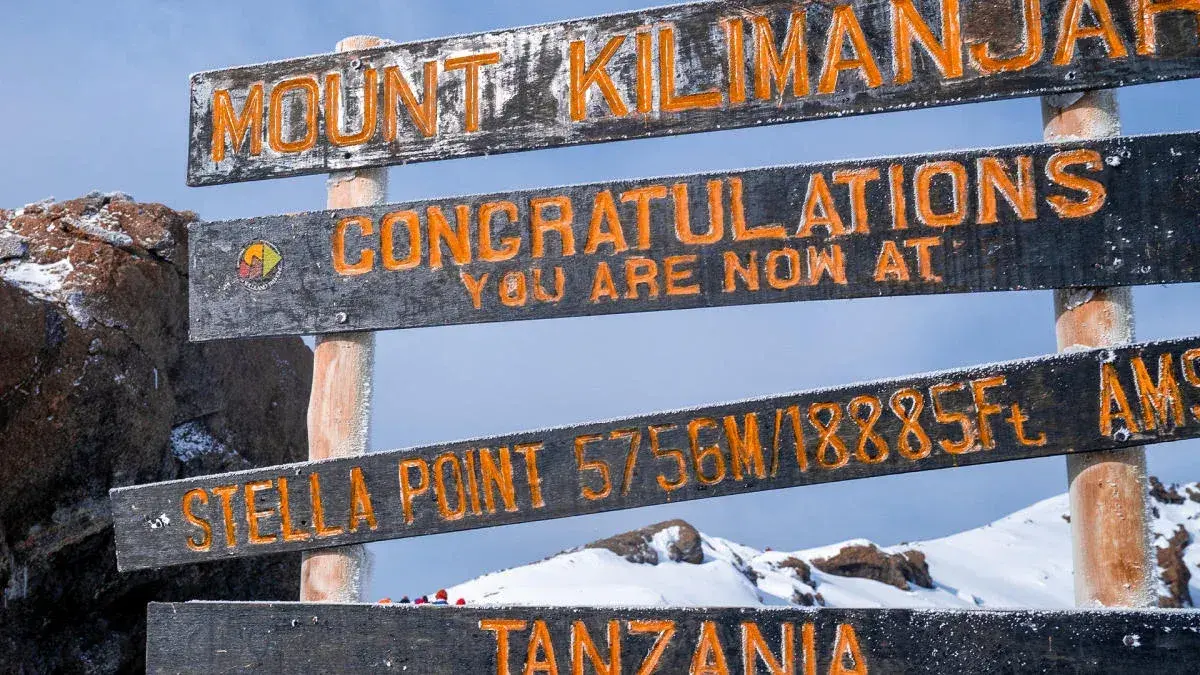
Live an experience you will talk about for the rest of your life — stand on the highest point in Africa.
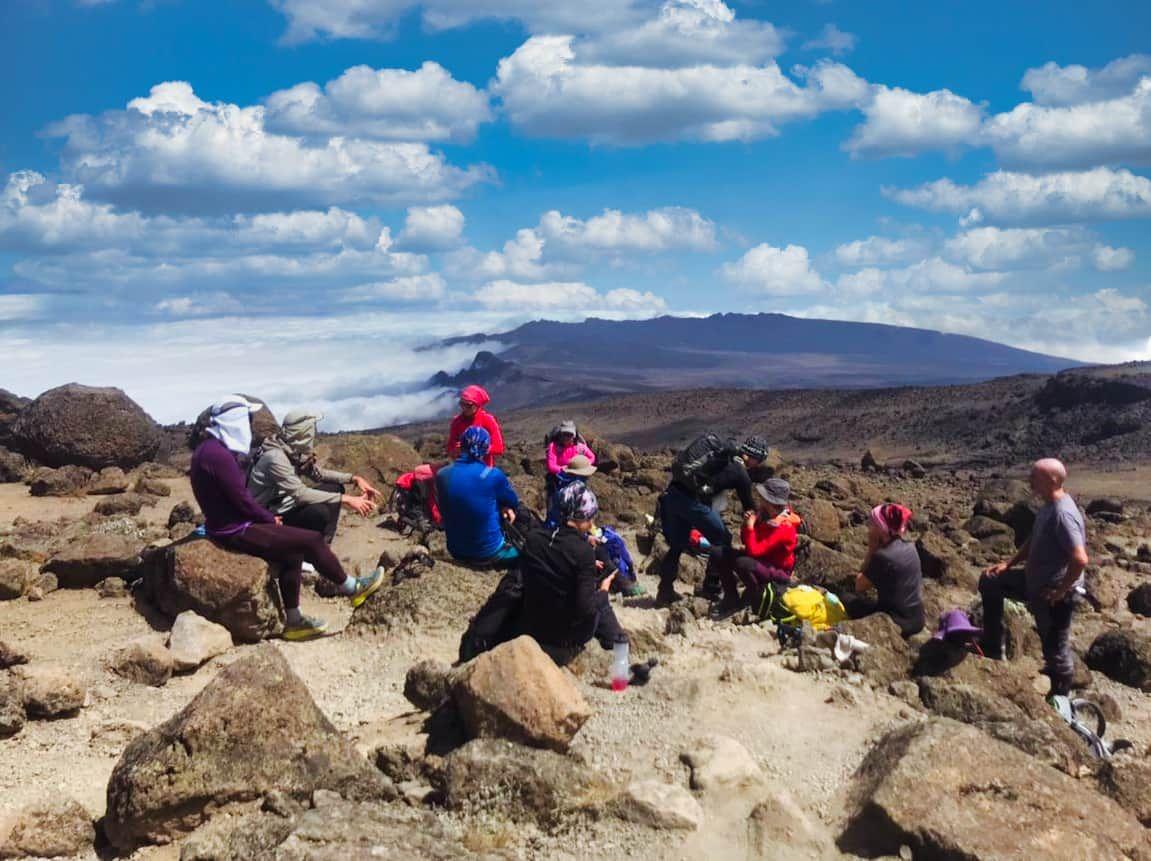
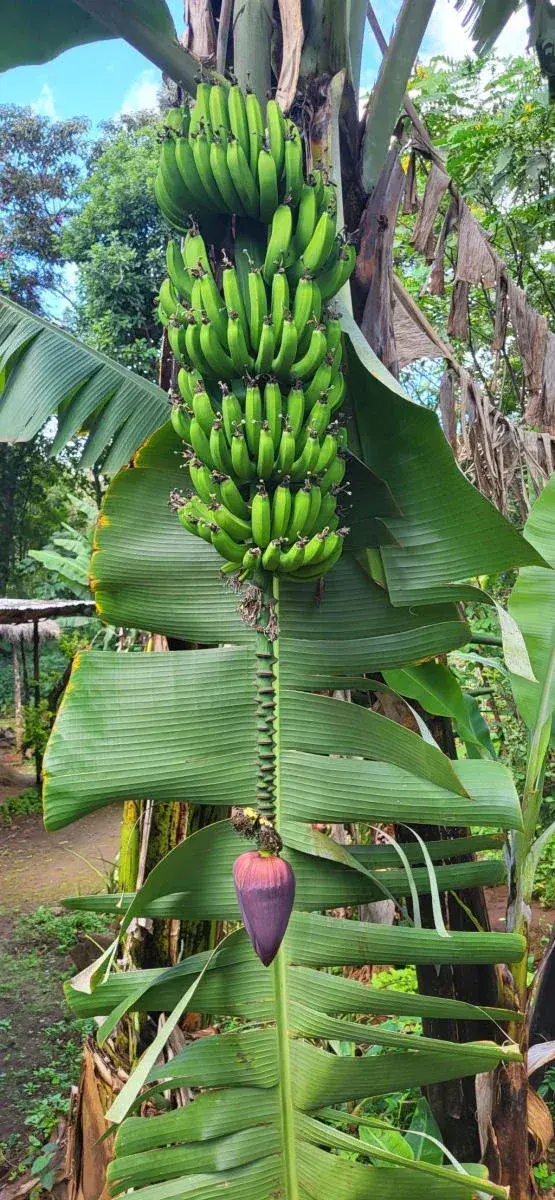
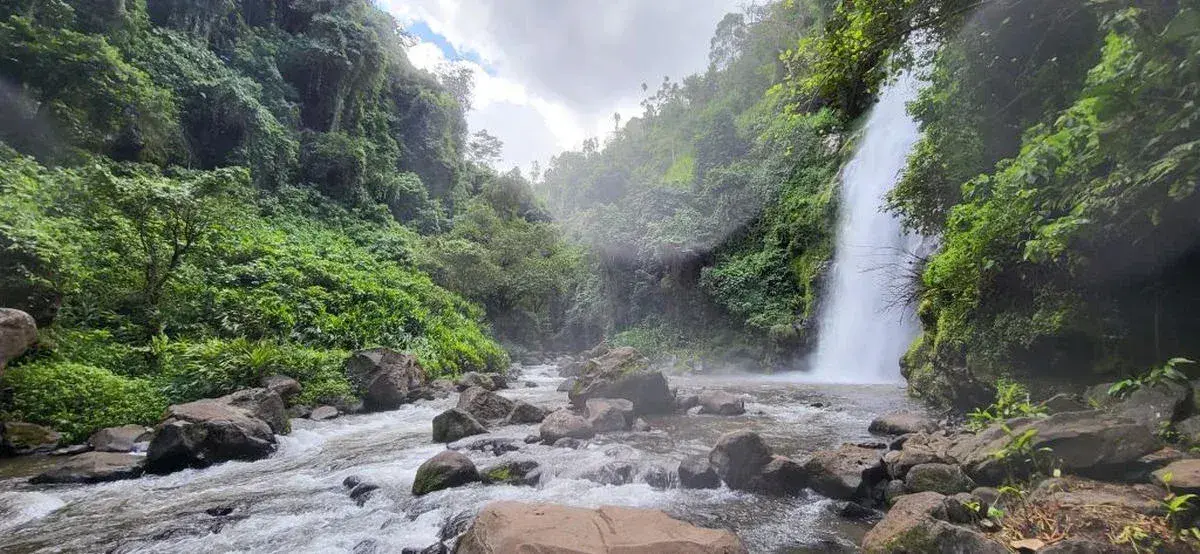
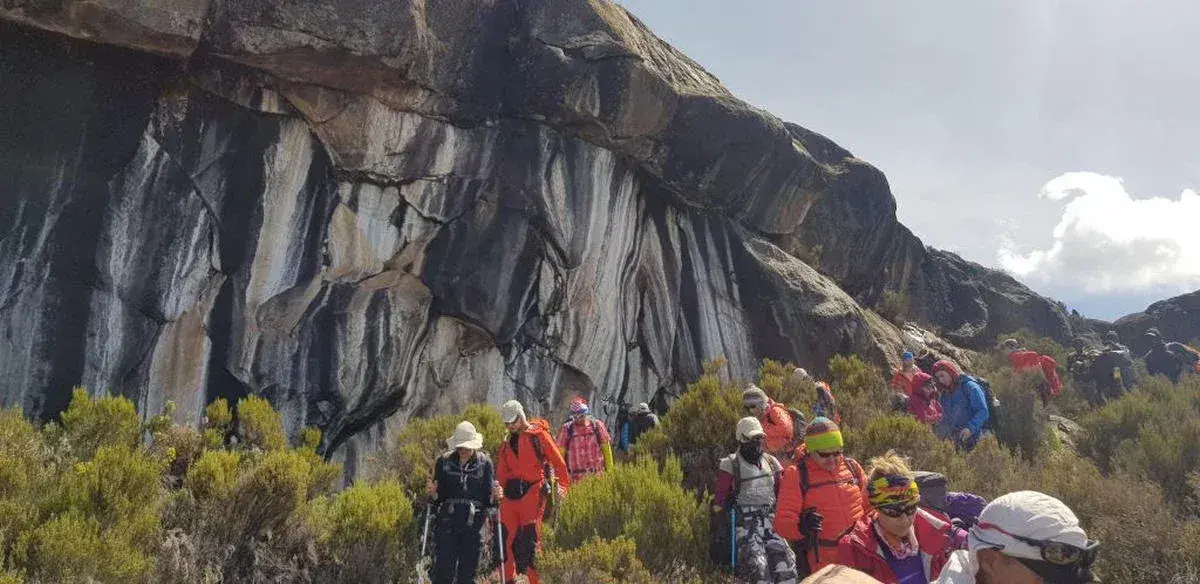
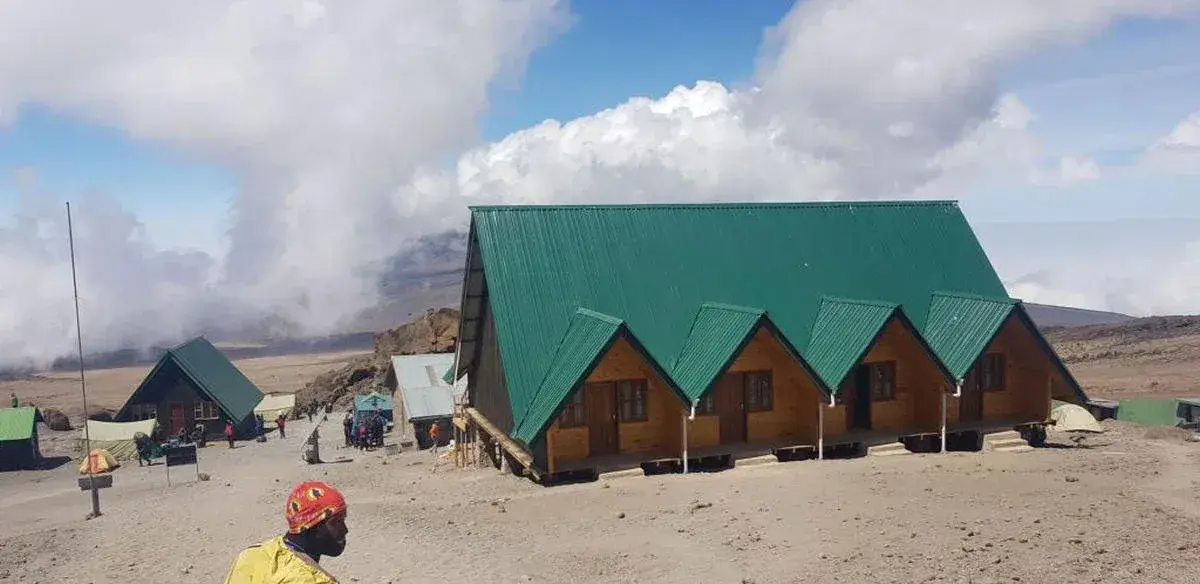
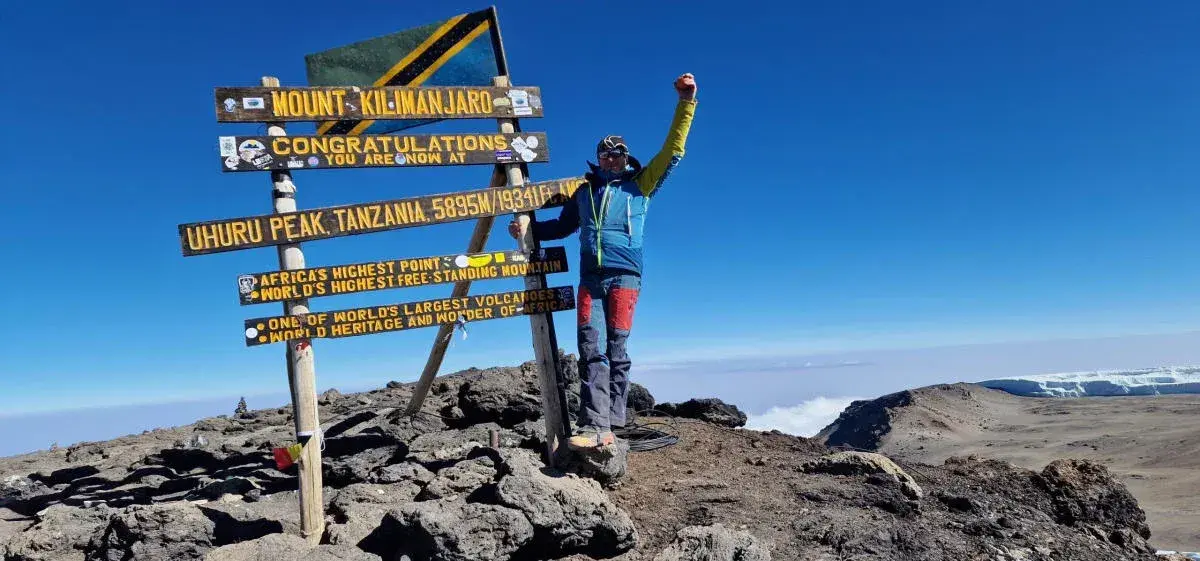
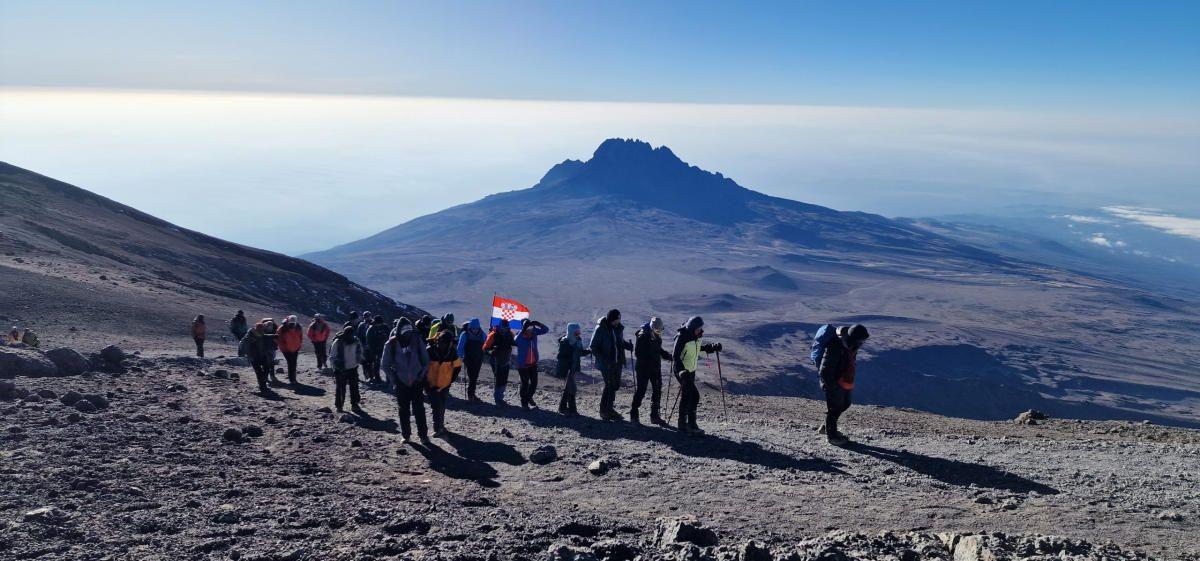
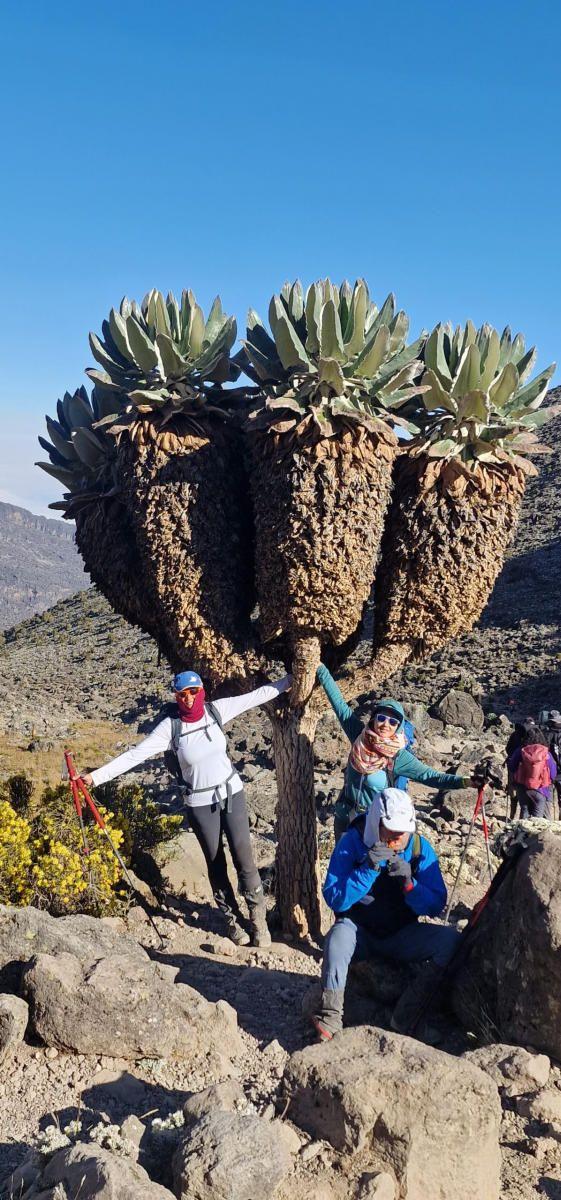
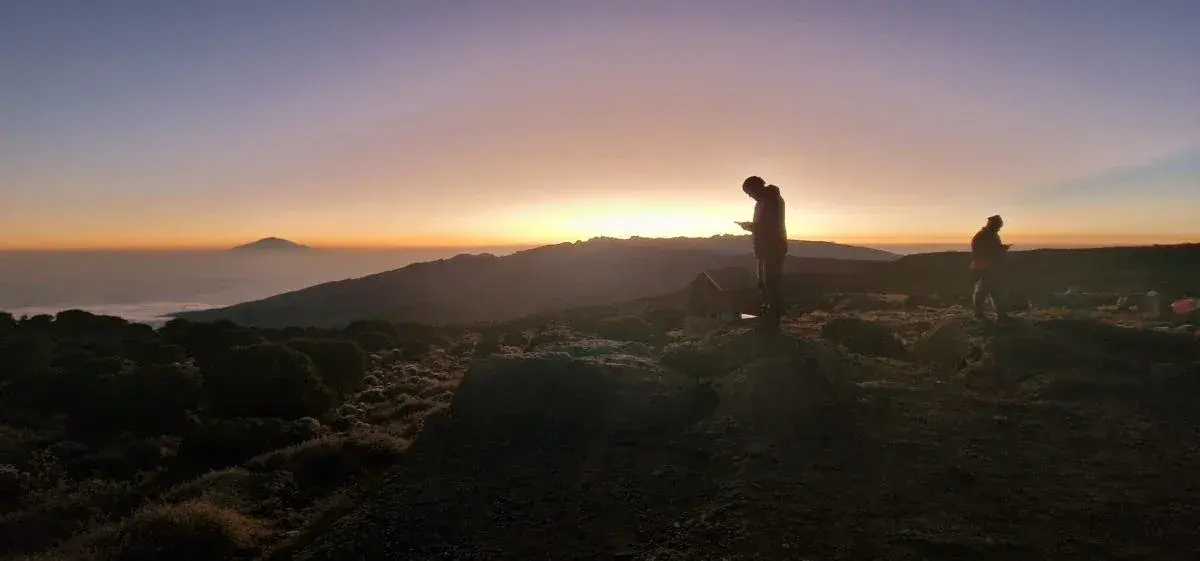
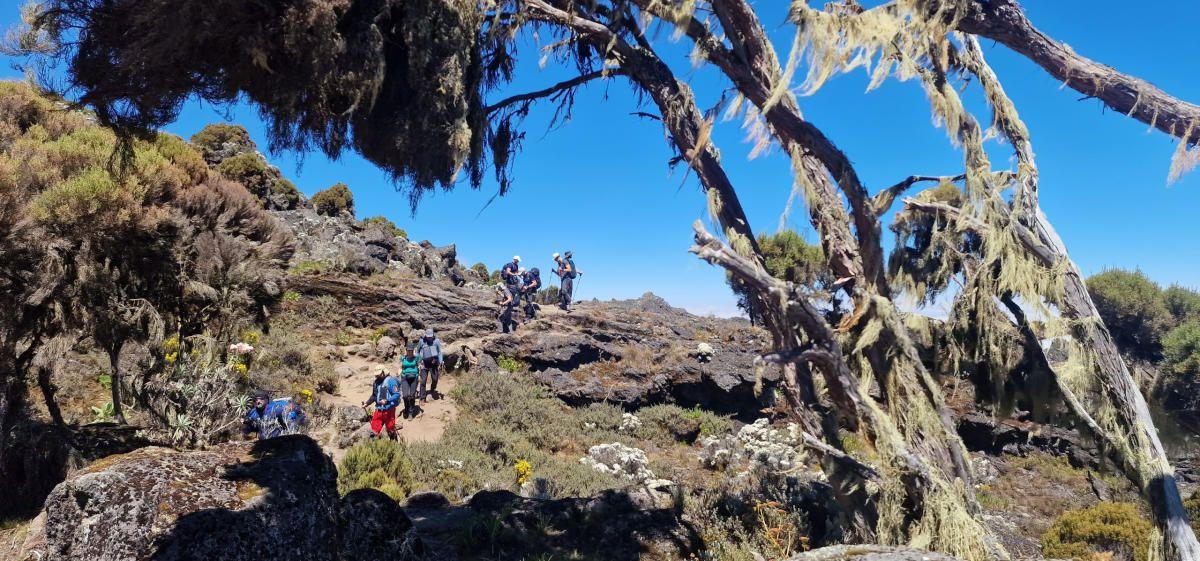
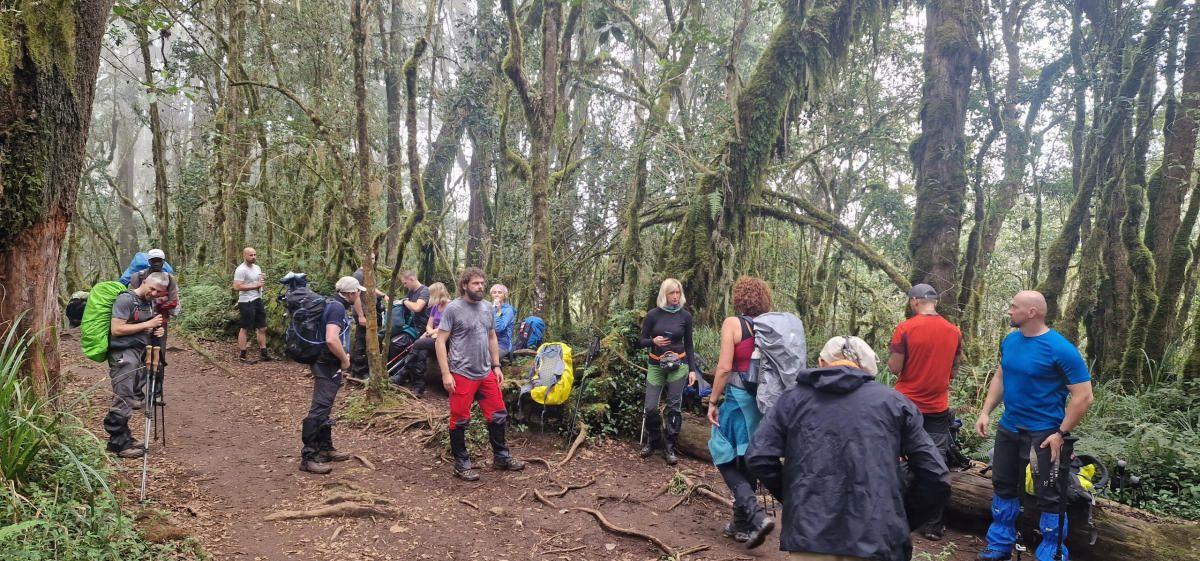
The mythical Kilimanjaro is the dream of every mountaineer and a true challenge for all adventurers. Join us on this expedition and, in seven days of trekking, pass through remarkable climate zones — from tropical rainforest, across alpine meadows and high-altitude desert, all the way to the summit. Capture breathtaking landscapes. Feel what it is like to stand on the roof of Africa. Take your photo at the highest peak of the continent. Experience an adventure others will listen to with admiration.
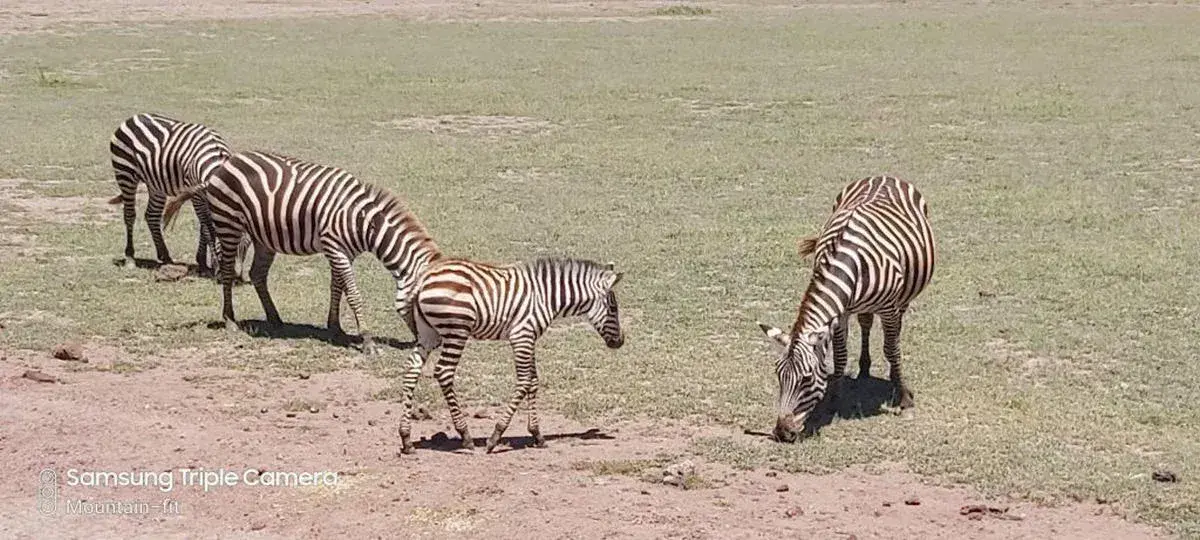
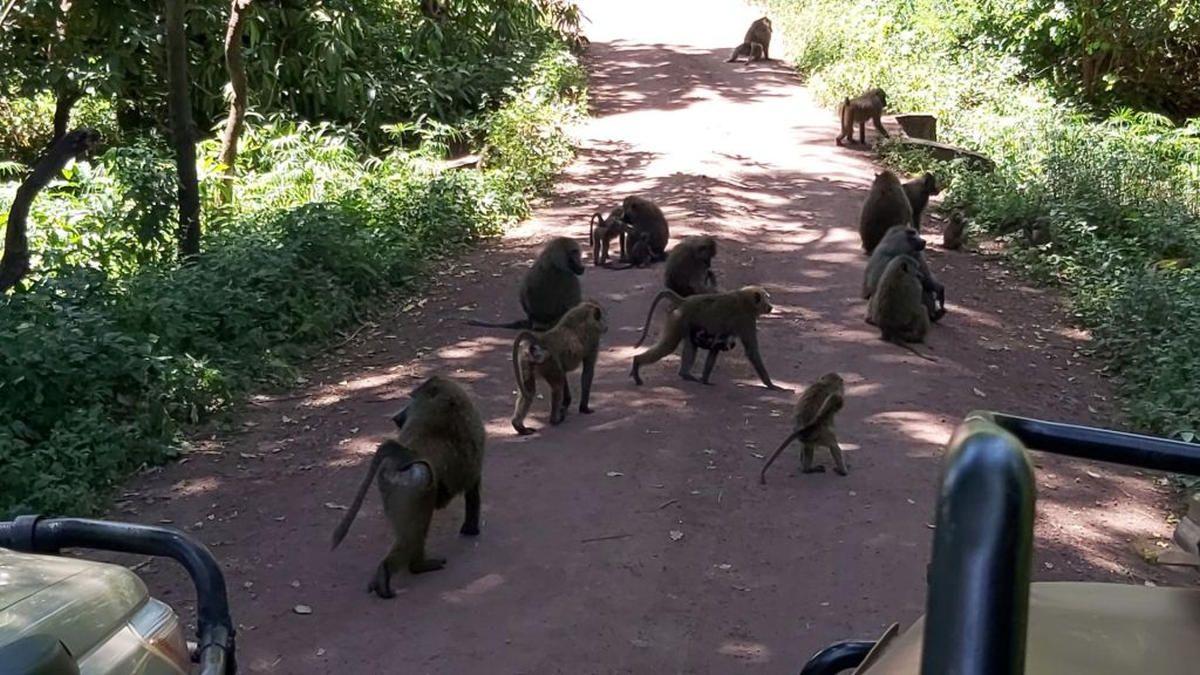
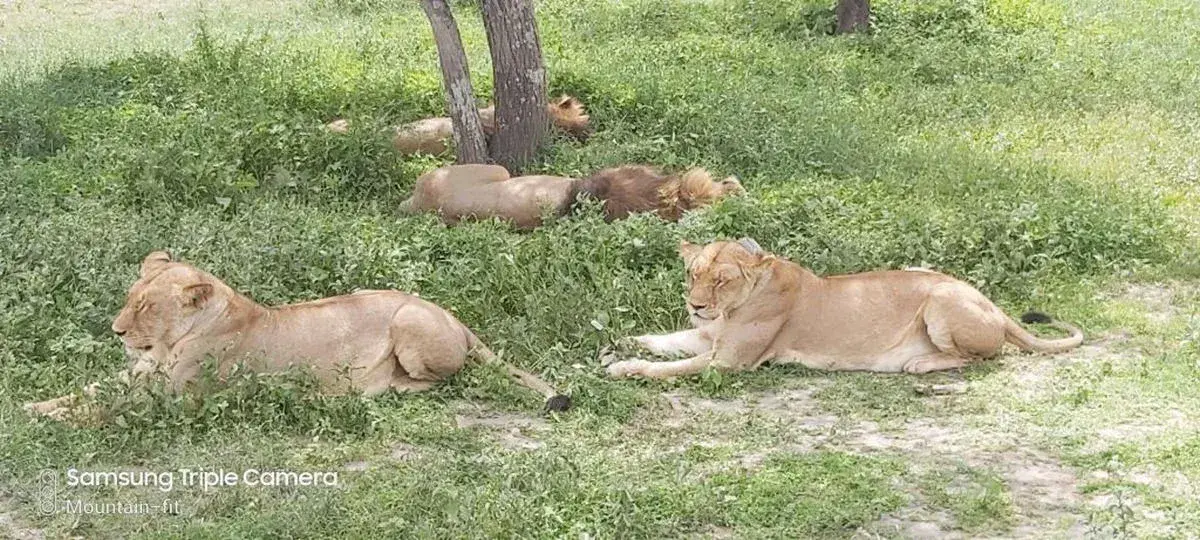
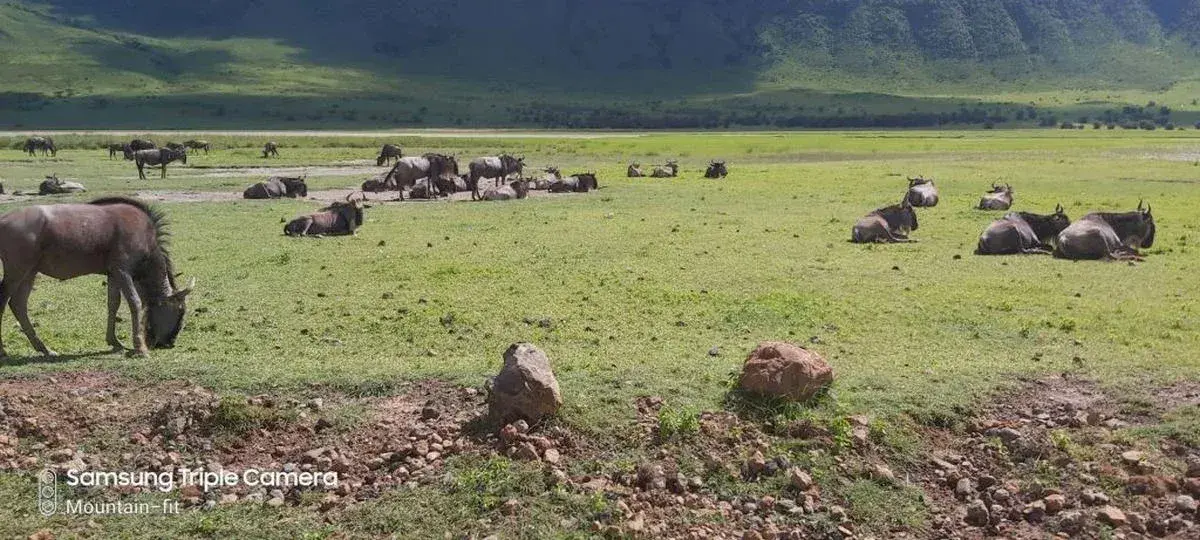
OPTIONAL: Tanzania Safari
Click here for more information:
PDF – Two-Day Tanzania Safari: Lake Manyara & Ngorongoro Crater
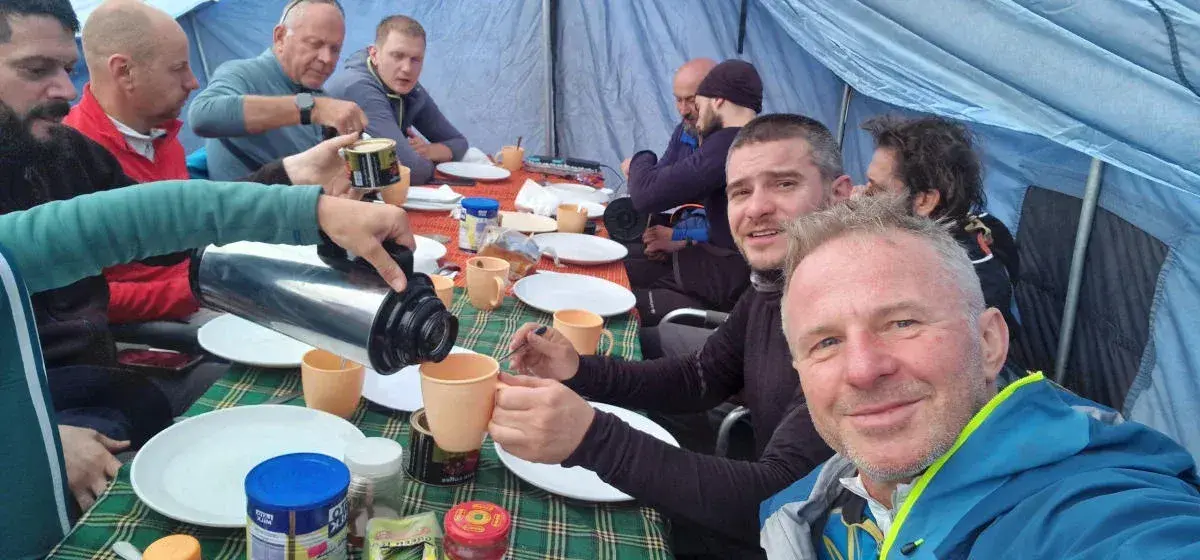
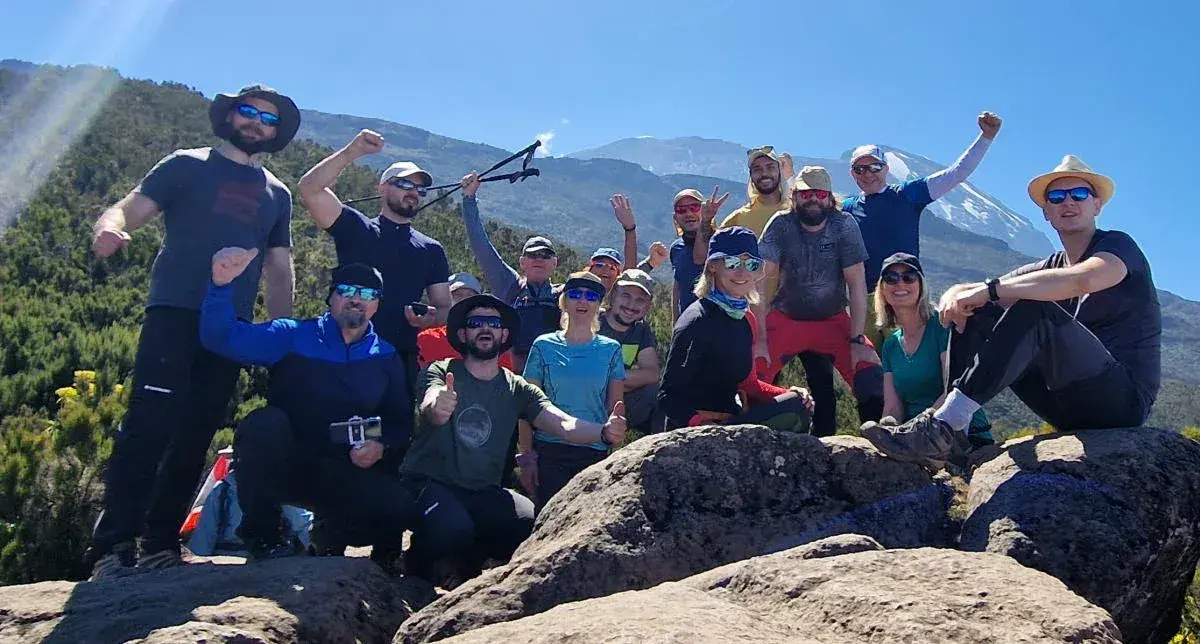
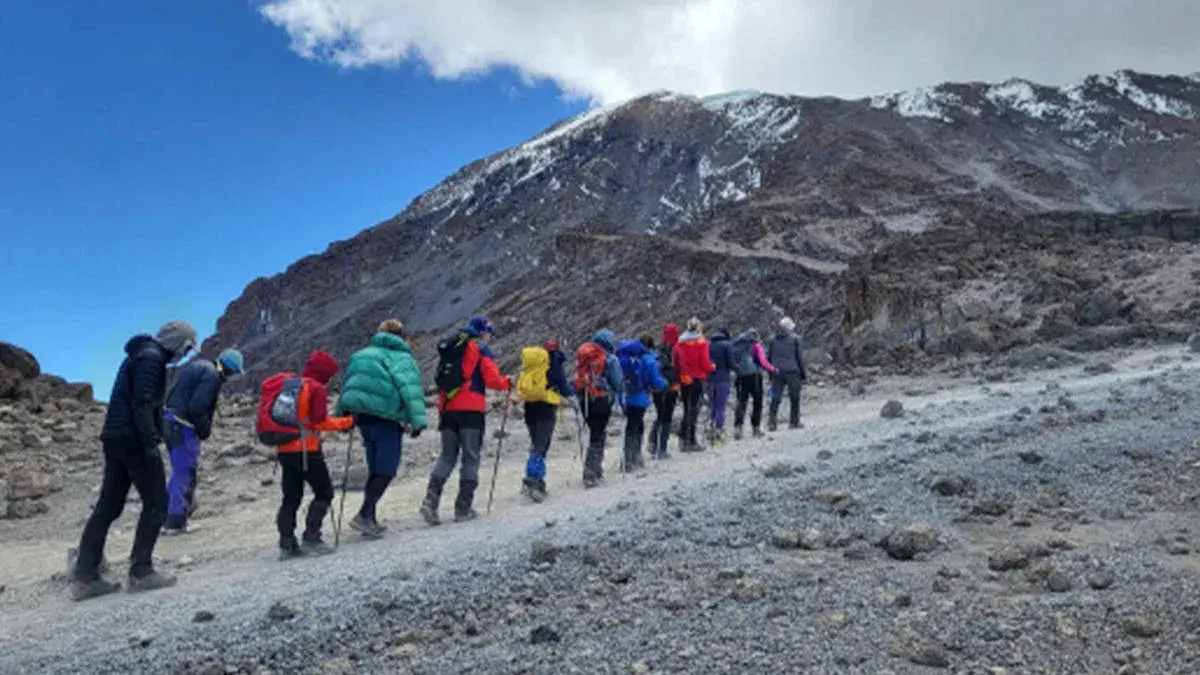
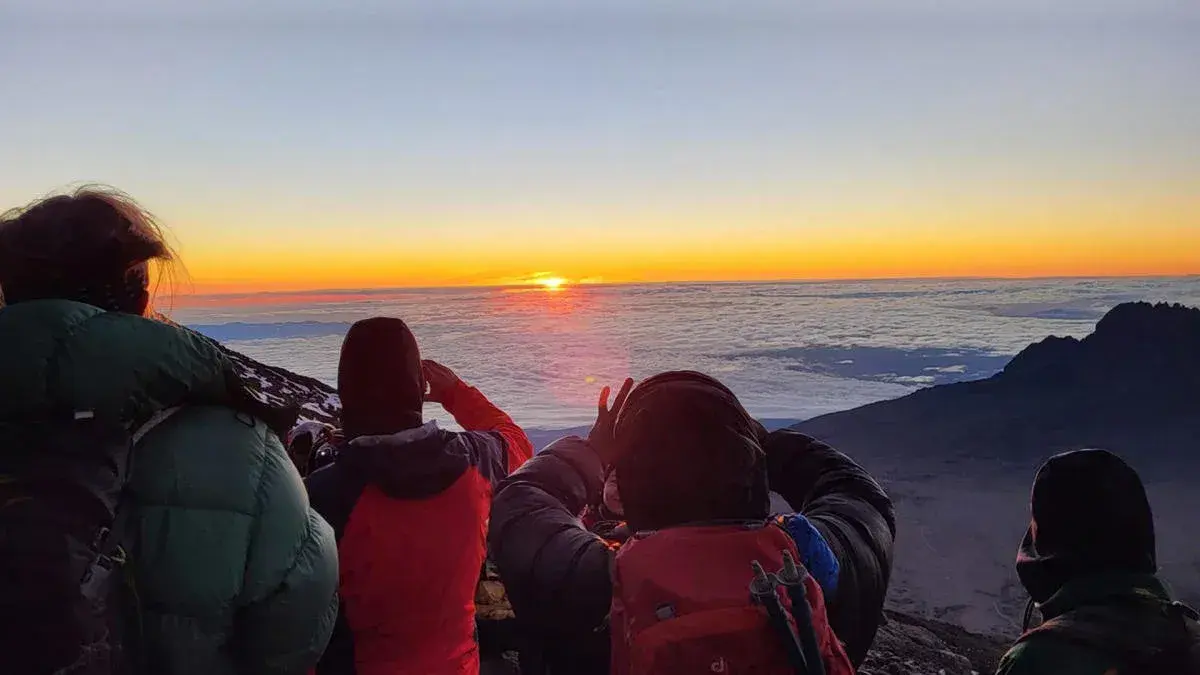
See how it was before:
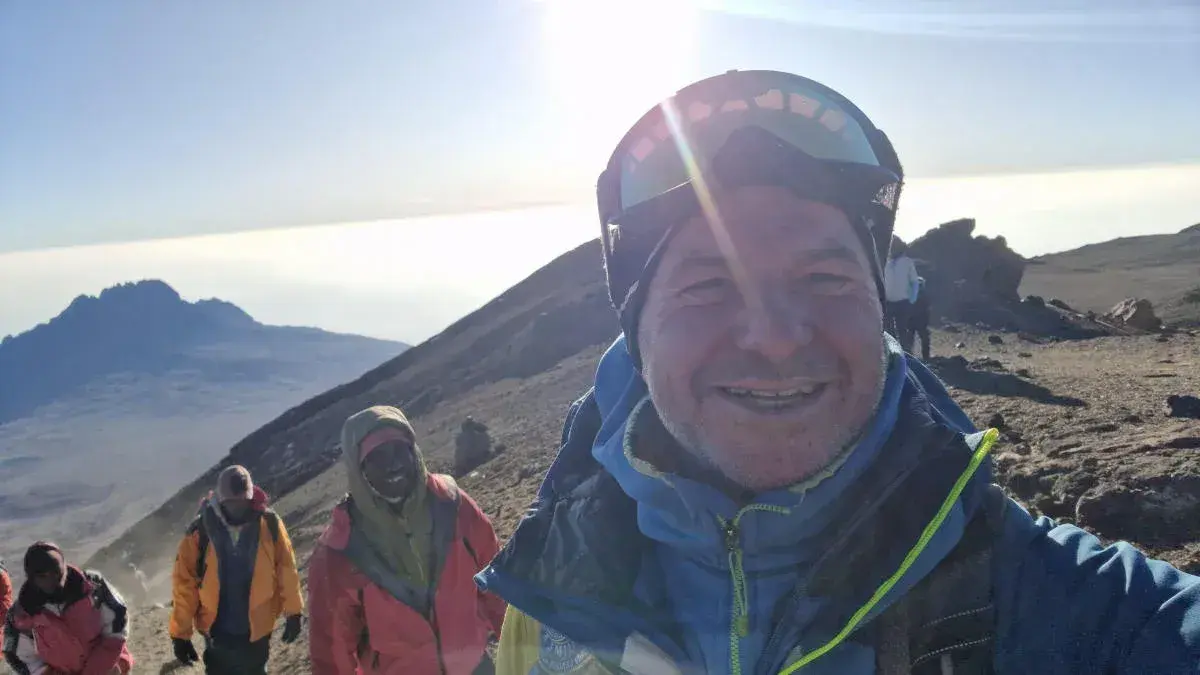
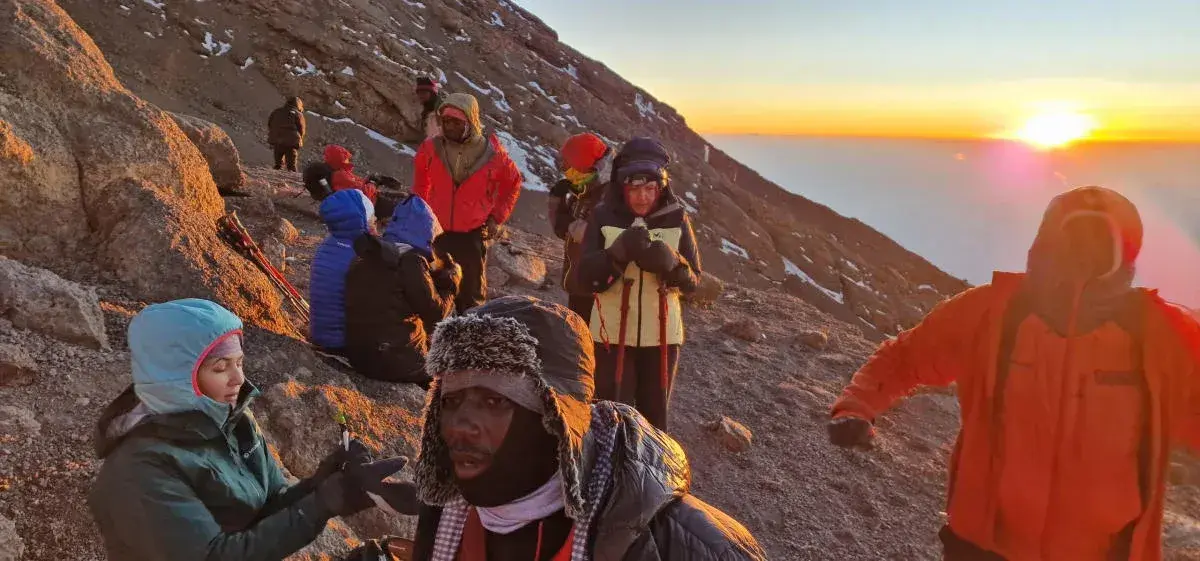
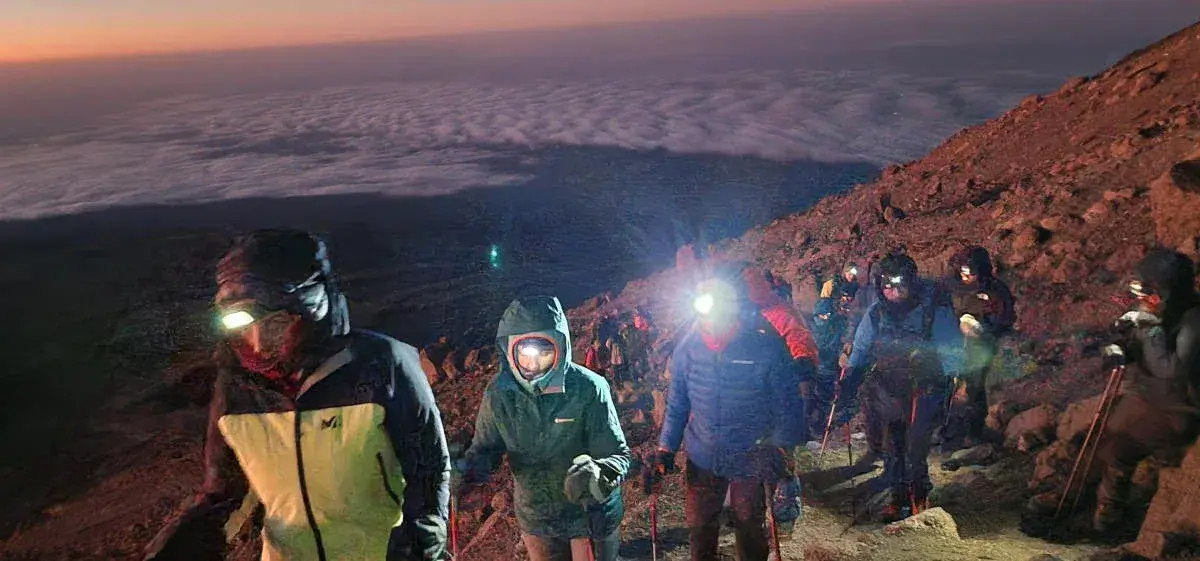
Kilimanjaro Climb – July 2022
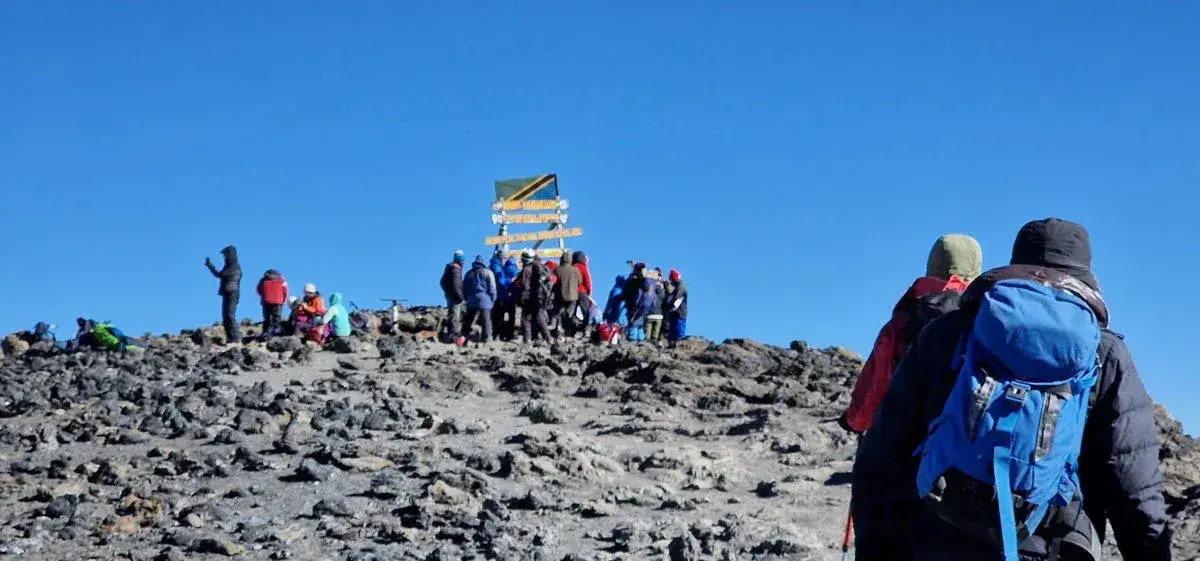
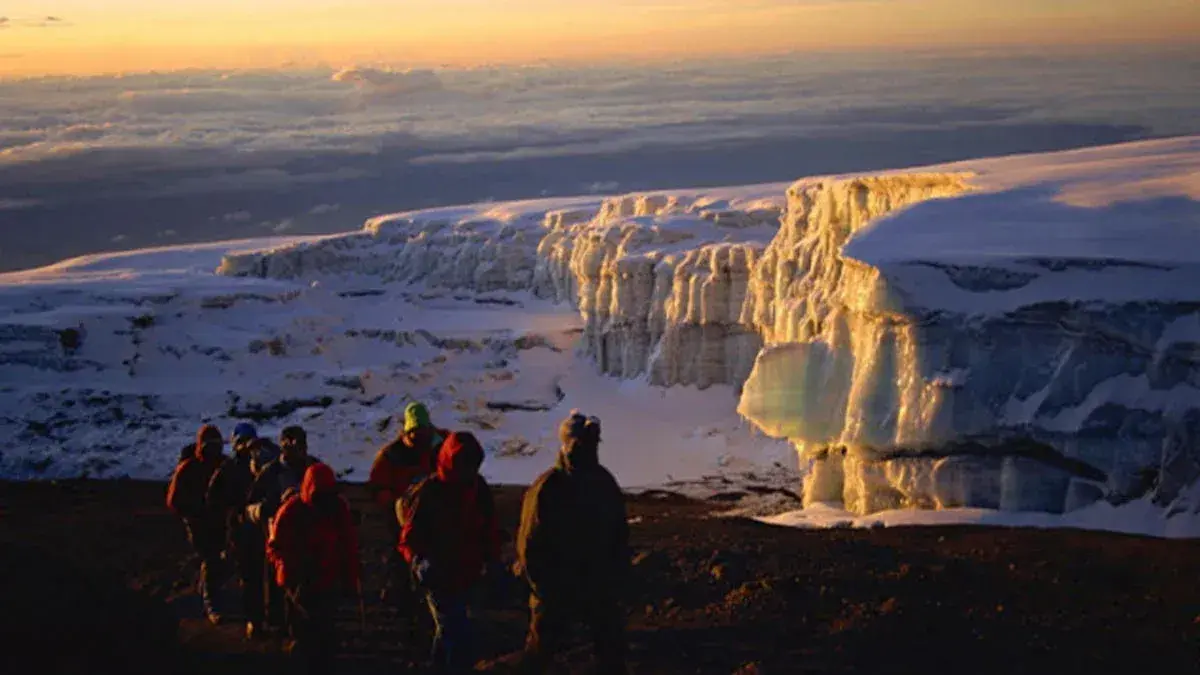
Final Ascent to the Highest Crater in Africa – Kilimanjaro
Kilimanjaro (Kili)
Kilimanjaro is the highest free-standing mountain in the world, of volcanic origin, and the highest peak in Africa, with Uhuru Peak rising to 5,895 meters. It is located in northeastern Tanzania, about 350 km south of the Equator. The mountain is also part of Kilimanjaro National Park, established in 1971.
As the highest peak on the continent at 5,895 m, without technical climbing requirements and with minimal snow in recent years, it attracts a large number of mountaineers, trekkers, and travelers.
The ascent to the summit is essentially a classic trek, with several established routes leading to the top. It is not considered an expedition in the exploratory sense, as all routes are known and clearly defined. Expeditions are typically organized for exploration into unknown regions.
Marangu Route – Kilimanjaro
This year, our climb follows the Marangu Route once again. We lead the ascent based on proper acclimatization principles — “climb high, sleep low” — significantly increasing the success rate.
So far, I have guided six groups to the summit of Kilimanjaro. Out of 81 clients, 78 successfully reached the top. We have climbed twice via the Marangu Route, three times via the Machame Route, and once via the Rongai Route.
This Climb Is Intended For
- Mountaineers and active individuals
- Those who want to summit one of the Seven Summits
- Those who want to climb Africa’s highest peak
- Participants prepared for demanding conditions and high altitude
- Individuals in good physical condition
- Those ready to push their personal limits
- Adventurers willing to step outside their comfort zone
- Travelers who want to experience the exotic landscapes of Africa across multiple climate zones
- Participants guided by experienced leaders
- Those who enjoy exotic and long-distance travel
Kilimanjaro map:
Kilimanjaro Preparation
Although Kilimanjaro may seem like the easiest of the Seven Summits, it must never be underestimated. Proper preparation is essential. The preparation process evaluates the candidate’s physical ability and predisposition for the Kilimanjaro trek.
To apply for the Kilimanjaro trek, you must first complete a Mountaineering Medical Questionnaire. A licensed UIMLA guide evaluates whether the candidate meets the requirements for the expedition.
Complete the Mountaineering Medical Questionnaire (click here) or contact us at: bojan@sportiputovanja.hr.
If the application is approved, you will receive recommendations for maintaining and improving your fitness level. Two and a half months is sufficient preparation time for someone already in solid condition. It is not sufficient for someone who has not been training.
Training for Kilimanjaro
- 8 training sessions per month (1 hour each). Each session consists of 30 minutes of interval training and 30 minutes of moderate outdoor running.
- 2–3 mountain hikes per month, lasting 7–9 hours each. This equals 4–6 hikes before departure.
During these hikes, candidates will learn how to prevent altitude sickness. Trips are led by a licensed mountain guide with extensive experience in high-altitude expeditions.
Before departure, assistance is available for selecting the appropriate equipment.
Required Equipment
(Much of the equipment can be rented in Moshi or Arusha.)
- 30L backpack
- Backpack rain cover
- 75–100L duffel bag
- Trekking poles
- Trail shoes and high hiking boots (for summit day)
- Gaiters
- Sunglasses
- Ski goggles
- Sun hat
- Wool thermal hat
- Thermal gloves
- Buff or scarf (dust and wind protection)
- 4–5 pairs of socks (including one thermal pair for summit day)
- 2 pairs of trekking pants
- 4–6 technical shirts (long and short sleeve)
- Thermal base layer (for summit day)
- Gore-Tex jacket (wind and rain protection)
- Thermal fleece
- Shorts
- Sleeping bag (rental available approx. $10 USD)
- Thermos bottle + 2 x 1.5L bottles (plastic disposable bottles not allowed in the National Park)
- Power bank
IMPORTANT NOTICE
Reservations are accepted only with the understanding that the climber acknowledges and accepts the potential risks associated with this type of activity and travel. The climber confirms they are physically and mentally fit to participate and that participation is voluntary.
Although the company has taken all necessary steps to provide appropriate equipment and guides, the climber accepts potential risks.
Potential risks include avalanches, lightning, unstable or falling rocks, snow, ice, extreme heat or cold, dehydration, altitude sickness, strong winds, inadequate equipment, human error, and other unforeseen risks that may cause permanent injury or death.
The itinerary may change due to weather conditions or other objective circumstances affecting group safety. Guides have full authority to modify the program according to their professional judgment. Any changes are made with two primary goals: increasing safety and maximizing summit success, based on the guides’ experience and expertise.